Ever wondered what a ‘lead’ really means in today’s fast-paced digital world? It’s more than just a name or email—it’s the spark that ignites sales. Let’s break down the true leads definition and why it’s the backbone of every successful business.
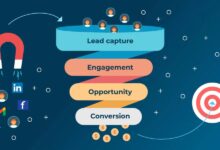


Leads Definition: What Exactly Is a Lead?

At its core, the leads definition refers to a person or organization that has shown interest in your product or service. This interest can come from various actions—filling out a form, downloading a guide, subscribing to a newsletter, or even engaging with your content on social media. A lead is not yet a customer, but they are a potential one.
Why the Leads Definition Matters in Business
Understanding the precise leads definition is crucial because it sets the foundation for your entire sales and marketing strategy. Without knowing what constitutes a lead, businesses risk wasting time and resources on unqualified prospects.
- A clear leads definition helps align sales and marketing teams.
- It enables better tracking and measurement of campaign success.
- It improves lead qualification and conversion rates.
“A lead is the first handshake between a brand and a potential customer—make it count.” — Marketing Expert, Neil Patel
Types of Leads Based on the Leads Definition
Not all leads are created equal. Based on the standard leads definition, they can be categorized into different types depending on how they engage with your brand:
Marketing Qualified Lead (MQL): Someone who has engaged with your marketing content but isn’t ready to buy yet.Sales Qualified Lead (SQL): A lead that marketing has passed to sales because they’ve shown buying intent.Product Qualified Lead (PQL): Common in SaaS, this is a user who has experienced value from your product during a free trial or freemium model.Information Qualified Lead (IQL): Someone who has requested more information, indicating deeper interest.Leads Definition vs.
.Prospect: What’s the Difference?While often used interchangeably, the terms ‘lead’ and ‘prospect’ have distinct meanings within the leads definition framework.A lead is anyone who has shown initial interest.A prospect, however, is a lead that has been qualified and is actively being pursued by the sales team..
Key Differences Between Leads and Prospects
Understanding the distinction is vital for effective funnel management. Here’s how they differ:
- Stage in Funnel: Leads are at the top; prospects are in the middle or bottom.
- Engagement Level: Leads may have only clicked a link; prospects have had direct conversations or demos.
- Sales Readiness: Prospects are sales-ready; leads may still need nurturing.
When Does a Lead Become a Prospect?
The transition happens after lead qualification. This process involves assessing factors like budget, authority, need, and timeline (BANT). Once a lead meets these criteria, they’re upgraded to a prospect.
For example, someone who downloads an eBook is a lead. But if they later attend a product demo and ask pricing questions, they become a prospect. You can learn more about this process at Salesforce’s guide on leads.
Leads Definition in Digital Marketing: How It Shapes Strategy
In digital marketing, the leads definition directly influences campaign design, content creation, and channel selection. Marketers craft strategies to attract, capture, and nurture leads based on this definition.
How Digital Channels Generate Leads
Different platforms serve unique roles in lead generation:
- Search Engines (SEO/PPC): Target users actively searching for solutions.
- Social Media: Engage audiences through content and ads that drive form submissions.
- Email Marketing: Nurture existing leads with personalized content.
- Landing Pages: Convert visitors into leads through compelling offers.
Lead Magnets and the Leads Definition
A lead magnet is a free resource offered in exchange for contact information. It’s a cornerstone of modern lead generation. Examples include:
- E-books and whitepapers
- Free trials or demos
- Webinars and training sessions
- Cheat sheets and templates
These tools work because they align perfectly with the leads definition—they attract people who are genuinely interested in solving a problem your business addresses.
Leads Definition in Sales: From Inquiry to Opportunity
In sales, the leads definition is more action-oriented. It’s not just about collecting names—it’s about identifying who has the potential to become a paying customer.
The Sales Funnel and Lead Progression
The sales funnel illustrates how leads move from awareness to decision. Here’s a breakdown:
- Awareness Stage: Lead discovers your brand.
- Interest Stage: Lead engages with content or offers.
- Decision Stage: Lead compares solutions and considers purchase.
- Action Stage: Lead becomes a customer.
Lead Scoring and the Leads Definition
Lead scoring assigns values to leads based on behavior and demographics. This system helps sales teams prioritize efforts. For instance:
- +10 points for visiting the pricing page
- +20 points for attending a webinar
- +30 points for requesting a demo
- -10 points for inactive email engagement
Once a lead reaches a threshold (e.g., 50 points), they’re considered sales-ready. HubSpot provides an excellent lead scoring guide to dive deeper.
Leads Definition Across Industries: A Comparative Look
The leads definition isn’t one-size-fits-all. It varies significantly across industries based on sales cycles, customer behavior, and business models.
Leads in B2B vs. B2C
In B2B, leads often require longer nurturing due to complex decision-making processes involving multiple stakeholders. A lead might be a company representative who downloads a case study.
In B2C, leads are usually individuals making personal purchases. For example, someone who signs up for a fitness app trial is a B2C lead.
- B2B leads: longer sales cycle, higher value, relationship-driven.
- B2C leads: shorter cycle, emotional triggers, volume-focused.
Leads in Real Estate, E-commerce, and SaaS
Each industry tailors the leads definition to its context:
- Real Estate: A lead could be a homebuyer filling out a property inquiry form.
- E-commerce: A visitor who abandons a cart but provides an email for recovery.
- SaaS: A user who signs up for a free account and uses key features.
These variations show how flexible yet precise the leads definition must be to remain effective.
Leads Definition and CRM: How Technology Enhances Lead Management
Customer Relationship Management (CRM) systems are essential for managing leads based on the leads definition. They centralize lead data, automate workflows, and provide insights for better decision-making.
How CRM Systems Capture and Track Leads
Modern CRMs like Salesforce, HubSpot, and Zoho automatically capture leads from websites, social media, and email campaigns. They assign unique IDs, track interactions, and update lead status in real time.
- Web forms sync directly to the CRM.
- Email clicks and opens are logged.
- Social media inquiries are integrated via APIs.
Automation and Lead Nurturing in CRM
CRMs enable automated email sequences, task reminders, and lead scoring. For example, if a lead downloads a pricing guide, the CRM can trigger a follow-up email with a case study and schedule a call for the sales rep.
This level of automation ensures no lead falls through the cracks. Learn more about CRM best practices at Zoho’s lead management resource.
Leads Definition: Common Mistakes and How to Avoid Them
Even experienced marketers and sales teams make errors when applying the leads definition. Recognizing these pitfalls can dramatically improve conversion rates.
Mistake 1: Treating All Leads the Same
Not every lead deserves the same attention. Sending aggressive sales pitches to early-stage leads can scare them away. Instead, segment leads by behavior and tailor communication accordingly.
Mistake 2: Poor Lead Qualification
Chasing unqualified leads wastes time and resources. Use clear criteria (like BANT) to determine if a lead is truly ready for sales outreach.
Mistake 3: Ignoring Lead Source Quality
Leads from paid ads may convert differently than those from organic search. Track lead sources and optimize budgets based on performance. For deeper insights, check out Campaign Monitor’s lead generation guide.
Leads Definition: Future Trends and Innovations
The concept of a lead is evolving with technology. The leads definition is expanding to include behavioral data, AI predictions, and hyper-personalization.
AI and Predictive Lead Scoring
Artificial intelligence analyzes vast datasets to predict which leads are most likely to convert. Instead of relying solely on manual scoring, AI models use historical data to identify patterns and recommend actions.
- AI can flag high-intent leads in real time.
- It reduces human bias in lead prioritization.
- It improves accuracy in forecasting sales outcomes.
Privacy-First Lead Generation
With increasing data privacy regulations (like GDPR and CCPA), the leads definition now includes consent and transparency. Businesses must obtain explicit permission before collecting and using personal data.
- Clear opt-in forms are mandatory.
- Data minimization principles apply.
- Users must be able to access or delete their data.
This shift means marketers must build trust from the first interaction.
Hyper-Personalization and the Leads Definition
Today’s consumers expect personalized experiences. The modern leads definition includes not just contact info, but preferences, behaviors, and past interactions. Brands that leverage this data create more relevant, engaging journeys.
- Dynamic content on websites based on user history.
- Personalized email subject lines and offers.
- Customized product recommendations.
What is the basic leads definition?
The basic leads definition is a person or organization that has shown interest in your product or service by providing contact information or engaging with your brand in a measurable way.
What are the different types of leads?
The main types include Marketing Qualified Leads (MQL), Sales Qualified Leads (SQL), Product Qualified Leads (PQL), and Information Qualified Leads (IQL), each representing a different stage of buyer readiness.
How do you qualify a lead?
Lead qualification involves assessing factors like budget, authority, need, and timeline (BANT). Tools like lead scoring and CRM systems help automate and refine this process.
What’s the difference between a lead and a prospect?
A lead is anyone who has shown initial interest. A prospect is a qualified lead that the sales team is actively engaging with, indicating a higher likelihood of conversion.
How is the leads definition changing with technology?
The leads definition is evolving to include AI-driven insights, behavioral tracking, and privacy-compliant data collection. Modern leads are not just names and emails—they are rich profiles shaped by digital interactions.
Understanding the true leads definition is more than a marketing exercise—it’s a strategic imperative. From identifying initial interest to nurturing and converting, every stage relies on a clear, actionable definition. Whether you’re in B2B, e-commerce, or SaaS, mastering this concept empowers smarter decisions, better targeting, and higher conversions. As technology evolves, so too will the way we define and engage leads—making adaptability and precision more important than ever.
Further Reading:
