Want to grow your business but stuck on how to get more customers? The answer lies in mastering lead generation—the lifeblood of every successful business. In this guide, we’ll break down everything you need to know to generate high-quality leads consistently and convert them into loyal customers.
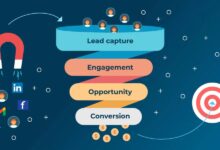


What Is Lead Generation and Why It Matters

Lead generation is the process of attracting and converting strangers into potential customers who have shown interest in your product or service. It’s not just about collecting names and emails; it’s about building relationships with people who are genuinely interested in what you offer.
The Core Definition of Lead Generation
At its heart, lead generation is about identifying prospects and initiating contact. Whether through a free download, a newsletter signup, or a demo request, the goal is to capture information that allows you to follow up and nurture the relationship.
- It starts with awareness—making potential customers aware of your brand.
- Then moves to interest—offering value that encourages engagement.
- Finally, it transitions to intent—where prospects signal they’re open to buying.
Why Lead Generation Is Critical for Business Growth
Without a steady stream of leads, even the best products can fail. Lead generation fuels your sales pipeline and ensures long-term sustainability. According to HubSpot, companies that excel at lead generation grow 2.5x faster than their peers (HubSpot, 2023).
“Lead generation isn’t a marketing tactic—it’s a business strategy.”
Types of Leads: Understanding the Buyer’s Journey
Not all leads are created equal. To maximize your conversion rates, you need to understand the different types of leads and where they are in the buyer’s journey.
Marketing Qualified Leads (MQLs)
These are leads that have engaged with your marketing content—like downloading an eBook or attending a webinar—but aren’t yet ready to buy. They’ve shown interest but need more nurturing.
- Identified through behavior tracking (e.g., page visits, content downloads).
- Typically managed by the marketing team.
- Require targeted email campaigns and personalized content.
Sales Qualified Leads (SQLs)
SQLs are leads that marketing has passed to sales because they’ve shown buying intent—like requesting a demo or pricing information. These leads are closer to making a purchase decision.
- Validated through direct interaction (e.g., form submissions, live chat).
- Handled by the sales team for conversion.
- Need timely follow-up and consultative selling.
Product Qualified Leads (PQLs)
Common in SaaS businesses, PQLs are users who have experienced your product through a free trial or freemium model and shown signs of readiness to upgrade.
- Tracked via in-app behavior (e.g., feature usage, login frequency).
- High conversion potential due to firsthand experience.
- Best nurtured with onboarding emails and upgrade incentives.
Top 7 Lead Generation Strategies That Actually Work
Now that you understand what leads are, let’s dive into the most effective lead generation strategies used by top-performing companies.
1. Content Marketing with High-Value Offers
Content is still king when it comes to lead generation. By offering valuable resources like eBooks, checklists, or templates in exchange for contact information, you can attract and convert visitors at scale.
- Create content that solves real problems (e.g., “How to Double Your ROI in 30 Days”).
- Use landing pages with clear calls-to-action (CTAs).
- Gate premium content behind a simple form.
For example, Neil Patel’s blog uses content upgrades like free SEO tools to capture thousands of leads monthly (Neil Patel, 2023).
2. Search Engine Optimization (SEO)
SEO is one of the most cost-effective long-term lead generation strategies. By ranking for relevant keywords, you attract organic traffic that’s already searching for solutions you provide.
- Optimize blog posts for buyer-intent keywords (e.g., “best CRM for small business”).
- Use on-page SEO techniques like meta descriptions, headers, and internal linking.
- Build backlinks from authoritative sites to boost domain authority.
A well-optimized blog can generate passive leads for years. Backlinko’s study found that pages on the first page of Google receive 91.5% of all traffic (Backlinko, 2023).
3. Social Media Lead Generation
Social platforms like LinkedIn, Facebook, and Instagram offer powerful tools for lead generation. From lead ads to direct messaging, you can reach prospects where they spend their time.
- Use LinkedIn Lead Gen Forms to capture professional leads without leaving the platform.
- Run Facebook lead ads with instant forms for quick conversions.
- Host live Q&A sessions to build trust and collect signups.
LinkedIn reports that B2B companies generate 80% of their leads from LinkedIn alone (LinkedIn Marketing Solutions, 2023).
4. Email Marketing Campaigns
Email remains one of the highest ROI channels for lead generation. A well-segmented email list can drive consistent conversions over time.
- Offer lead magnets like free courses or discount codes to grow your list.
- Use automation sequences to nurture leads based on behavior.
- Personalize subject lines and content to increase open rates.
According to Campaign Monitor, personalized emails deliver 6x higher transaction rates.
5. Webinars and Live Events
Webinars are a powerful way to demonstrate expertise and collect high-intent leads. People who register for a live session are often closer to making a purchase decision.
- Choose topics that address pain points (e.g., “How to Fix Your Sales Funnel”).
- Use registration forms to capture lead data.
- Follow up with attendees and no-shows using automated emails.
GoToWebinar found that 20-40% of webinar attendees convert into qualified leads.
6. Paid Advertising (PPC and Retargeting)
Pay-per-click (PPC) advertising allows you to target specific audiences and drive immediate traffic to lead capture pages.
- Use Google Ads to target high-intent keywords.
- Run retargeting campaigns to re-engage visitors who didn’t convert.
- Test different ad copy and landing pages for optimal performance.
Retargeting can increase conversion rates by up to 150%, according to Criteo.
7. Referral and Affiliate Programs
Leverage your existing customers and partners to generate new leads. People trust recommendations from peers more than any ad.
- Offer incentives for referrals (e.g., discounts, cash rewards).
- Create an affiliate program with clear commission structures.
- Provide easy-to-share links and promotional materials.
Affiliate marketing drives 16% of all e-commerce sales, per Rakuten Advertising.
Essential Tools for Effective Lead Generation
To execute these strategies successfully, you need the right tools. Here’s a breakdown of the most impactful software solutions for lead generation.
CRM Systems (Customer Relationship Management)
A CRM helps you track, manage, and nurture leads throughout the sales funnel. It centralizes all customer interactions and ensures no opportunity slips through the cracks.
- Popular options: HubSpot CRM, Salesforce, Zoho CRM.
- Features: contact management, email tracking, deal pipelines.
- Integrates with marketing automation tools for seamless workflows.
Landing Page Builders
High-converting landing pages are essential for capturing leads. These tools allow you to create professional pages without coding.
- Top platforms: Unbounce, Leadpages, Instapage.
- Drag-and-drop editors with A/B testing capabilities.
- Integrate with email marketing and CRM systems.
Email Marketing Automation Tools
Automating your email campaigns saves time and increases engagement. These tools help you send the right message at the right time.
- Leading tools: Mailchimp, ActiveCampaign, ConvertKit.
- Features: drip campaigns, segmentation, behavioral triggers.
- Track opens, clicks, and conversions in real time.
How to Qualify and Nurture Leads
Generating leads is only half the battle. To maximize ROI, you must qualify and nurture them effectively.
Lead Scoring: Prioritizing Your Prospects
Lead scoring assigns values to leads based on their behavior and profile. This helps sales teams focus on the most promising opportunities.
- Positive points for actions like visiting pricing pages or downloading case studies.
- Negative points for inactivity or unengaged behavior.
- Set thresholds to determine when a lead becomes sales-ready.
Nurturing Leads with Drip Campaigns
Drip campaigns are automated email sequences that deliver relevant content over time, guiding leads toward a purchase.
- Start with a welcome series introducing your brand.
- Follow up with educational content and customer success stories.
- End with a strong CTA, like scheduling a demo or claiming an offer.
Marketo reports that nurtured leads make 47% larger purchases than non-nurtured leads.
Using Behavioral Data to Personalize Outreach
Today’s buyers expect personalized experiences. Use data from website visits, email engagement, and social interactions to tailor your messaging.
- Send targeted offers based on pages visited.
- Use dynamic content in emails that changes based on user data.
- Leverage chatbots to provide real-time, personalized assistance.
Measuring Lead Generation Success: Key Metrics to Track
You can’t improve what you don’t measure. Tracking the right KPIs helps you optimize your lead generation efforts for better results.
Conversion Rate
This measures the percentage of visitors who become leads. A high conversion rate indicates effective messaging and design.
- Formula: (Number of Leads / Total Visitors) x 100.
- Industry average: 5-10%, but top performers exceed 20%.
- Improve by testing CTAs, forms, and page layouts.
Cost Per Lead (CPL)
CPL tells you how much you’re spending to acquire each lead. It’s crucial for evaluating the efficiency of paid campaigns.
- Formula: Total Campaign Spend / Number of Leads Generated.
- Benchmark varies by industry and channel (e.g., LinkedIn ads cost more than Facebook).
- Lower CPL means better ROI.
Lead-to-Customer Conversion Rate
This shows how many leads actually become paying customers. It reflects the quality of your leads and the effectiveness of your sales process.
- Formula: (Number of Customers / Number of Leads) x 100.
- Aim for 20-30% in most B2B industries.
- Improve by refining lead qualification and sales follow-up.
Common Lead Generation Mistakes to Avoid
Even experienced marketers make mistakes that hurt their lead generation results. Here are the most common pitfalls and how to avoid them.
Targeting the Wrong Audience
Generating leads from people who aren’t a good fit wastes time and money. Be specific about your ideal customer profile (ICP).
- Create buyer personas based on real data.
- Use audience targeting in ads and content to reach the right people.
- Regularly review and refine your ICP.
Overlooking Lead Nurturing
Most leads aren’t ready to buy immediately. Skipping nurturing means losing potential customers.
- Implement automated email sequences.
- Provide value before asking for a sale.
- Stay top-of-mind with consistent communication.
Poor Follow-Up Practices
Speed matters. Research shows that leads contacted within 5 minutes are 9x more likely to convert.
- Set up instant alerts for new leads.
- Use chatbots or autoresponders for immediate engagement.
- Train your sales team on timely follow-up protocols.
Future Trends in Lead Generation
The world of lead generation is evolving fast. Staying ahead of trends ensures your strategies remain effective.
AI-Powered Lead Generation
Artificial intelligence is transforming how we find and engage leads. From chatbots to predictive analytics, AI enhances efficiency and personalization.
- Use AI to score leads based on likelihood to convert.
- Deploy AI chatbots for 24/7 lead qualification.
- Leverage natural language processing to analyze customer intent.
According to Salesforce, 84% of marketers say AI improves lead generation effectiveness.
Interactive Content for Engagement
Quizzes, calculators, and assessments are more engaging than static content and generate higher-quality leads.
- Tools like Outgrow and Typeform make it easy to create interactive experiences.
- Users are more likely to share personal data when they get personalized results.
- Boosts time-on-site and conversion rates.
Privacy-First Lead Generation
With increasing data regulations (GDPR, CCPA), trust is paramount. Transparent data practices build credibility.
- Clearly state how you’ll use customer data.
- Offer value in exchange for information.
- Comply with privacy laws to avoid penalties and reputational damage.
What is lead generation?
Lead generation is the process of attracting and converting individuals who are interested in your product or service into potential customers by collecting their contact information for further nurturing and sales efforts.
What are the best lead generation strategies?
The most effective lead generation strategies include content marketing, SEO, social media advertising, email marketing, webinars, paid ads, and referral programs. The best approach depends on your audience and industry.
How do I generate high-quality leads?
To generate high-quality leads, target the right audience, offer valuable content, use lead scoring, and nurture prospects with personalized communication. Focus on intent-based actions and timely follow-up.
What tools are essential for lead generation?
Essential tools include CRM systems (e.g., HubSpot), landing page builders (e.g., Unbounce), email marketing platforms (e.g., Mailchimp), and analytics tools to track performance and optimize campaigns.
How do I measure lead generation success?
Track key metrics like conversion rate, cost per lead, lead-to-customer conversion rate, and ROI. Use these insights to refine your strategies and improve results over time.
Lead generation is not a one-time task—it’s an ongoing process that fuels business growth. By understanding your audience, using the right strategies, and leveraging powerful tools, you can build a sustainable pipeline of high-quality leads. The future belongs to those who combine data-driven tactics with personalized engagement. Start implementing these proven techniques today, and watch your sales soar.
Further Reading:
